
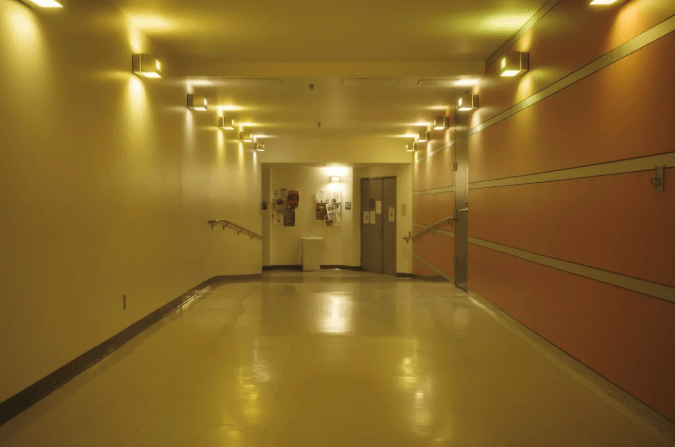
What survival actually looks like once the crisis is over
There is a moment after you survive something significant when people expect you to feel victorious.
Relieved. Grateful. Possibly reborn.
Instead, you’re standing in a quiet room, holding a stack of instructions you don’t remember asking for, wondering when exactly you’re supposed to feel done.
No one really prepares you for the aftermath. Not the dramatic kind. The quiet kind. The part where nothing is technically wrong, but everything requires attention. Your body. Your schedule. Your patience. Your tolerance for small talk.
Survival, it turns out, comes with chores.
The emergency leaves first. The adrenaline packs up and moves on. What’s left behind is maintenance. Appointments. Pills. Follow-ups. New habits that form without asking permission. You learn where the weak spots are, physically and otherwise. You learn what makes you tired now. You learn what you no longer feel like explaining.
People ask how you’re doing, and you realize they want a clean answer. Preferably one that fits in a sentence. Preferably one that reassures them that the story has ended.
“I’m good,” becomes less a statement and more a courtesy. You get very good at it.
What they don’t see is the recalibration. The way you inventory rooms before you relax. The way silence feels louder than it used to. The way certain words still land harder than others. None of it is dramatic. None of it is tragic. It’s just… there.
This is the part that doesn’t make for good photographs.
No hero lighting. No swelling orchestral music. Just you, living inside the after, adjusting furniture no one else can see.
This isn’t the triumphant chapter.
It’s the administrative one.
It still counts.


Leave a comment